Micro-dosing has changed the way many of us approach botox for wrinkles. Instead of heavy movement restriction, the goal is softer lines, natural expression, and skin that looks rested rather than frozen. If you have been curious about botox cosmetic injections but worry about looking “done,” micro-dosing is likely what you have in mind, even if you did not know the name for it.
I started using micro-dosing techniques a little over a decade ago for patients who wanted fresher skin without obvious changes. At the time, we called it baby botox or microtox. The core idea remains the same today, deliver much smaller botox injections spaced more closely and placed with precision, often in the most superficial part of the skin. The approach treats dynamic fine lines while preserving the muscle function that keeps your face expressive.
What micro-dosing actually means
Classic botox treatment targets the muscle belly. The injector places a few larger boluses across the forehead, glabella, or crow’s feet to relax pull and smooth lines. Micro-dosing breaks this task into many tiny injections. Each droplet contains a fraction of a unit, sometimes 0.25 to 1 unit, and is delivered in a grid or feathered pattern across the face. The injector may place microdroplets intradermally, just under the surface, or at the very top of the muscle. The effect is a lighter touch and a more diffused softening of movement.
Two terms often get mixed up, baby botox and microtox. Baby botox usually means lower total units and gentler results within the standard injection pattern. Microtox or micro-dosing leans into the technique of very small aliquots in many points, sometimes using different dilutions and intradermal placement to influence superficial muscle fibers and skin texture. Both are versions of botox anti wrinkle treatment, but micro-dosing is a method as much as a dose.
Where micro-dosing shines
Fine static lines on the cheeks from years of smiling, crinkling around the outer eyes, faint forehead creases that only appear in certain light, and those etched little crosshatch marks at the base of the crow’s feet respond beautifully to this style of botox face treatment. Patients who perform, speak, or teach for a living often want to keep eyebrow movement for expression and rely on a subtle result. Micro-dosing lets you walk that line.
I think of three use cases as the bullseye:
" width="560" height="315" style="border: none;" allowfullscreen="" >
First, early lines in the late 20s to mid 30s when you notice makeup settling or an 11 starting to ghost between the brows. A small, preventive botox treatment for frown lines or the glabella at this stage can keep those creases from setting in.
Second, those who have had one heavy botox session that felt too strong, especially across the forehead where the brows dropped. Micro-dosing reintroduces lift by avoiding larger boluses at the center of the frontalis and feathering the dose.
Third, skin quality goals. While botox is not a skin tightening treatment in the traditional sense, superficial micro-dosing can reduce the appearance of pores along the T zone and temper oiliness in some people. I tell patients to think of this as a mild, nice-to-have bonus rather than a guarantee.
How it differs from standard botox injections
The biggest differences are units, depth, and pattern. A typical botox treatment for forehead lines might involve 8 to 20 units of onabotulinumtoxinA placed intramuscularly in 4 to 8 points. In a micro-dosed forehead, I might use 6 to 14 units placed as 12 to 20 microdroplets, some intradermal, some very superficial. At the crow’s feet, instead of three points of 3 to 4 units each, I may place small pinpricks of 0.5 to 1 unit along the radiating skin lines with care taken to avoid the zygomaticus area to preserve your smile.
The result is not zero movement. You will still raise your eyebrows and squint, but with less creasing. When you look in raking light or close up in the mirror, the skin around those lines looks smoother. If you want a dramatic botox brow lift or maximal wrinkle reduction, a standard intramuscular botox procedure will get you further. Micro-dosing is about refinement and control.
Dosing, dilution, and the unit question
One of the confusing parts of botox cosmetic treatment is the talk of units and dilution. A unit is a standardized bioactivity measure for a specific brand, such as Botox Cosmetic, Dysport, Xeomin, or Jeuveau. They are not interchangeable unit for unit across brands. An injector may choose a standard dilution or alter it to suit the technique and area. Higher dilution with micro-dosing allows more spread of very small amounts, which helps blend the effect.
For a typical micro-dosed upper face session, total units often land between 20 and 40 for onabotulinumtoxinA. Some patients need less, closer to 10 to 20 units, particularly when starting young or targeting only the outer eyes. When I am dialing in a patient’s first treatment for fine lines, I prefer to undershoot by 2 to 4 units and touch up at the two week mark if needed. This keeps the forehead light, reduces the chance of brow heaviness, and gives us a reference for the next session.
What to expect during a micro-dosing session
Every botox appointment should start with a thoughtful consultation. Expect to discuss medical history, previous botox results, what you liked and did not like, daily expressions you need to keep, and any upcoming events. Photos help, both relaxed and animated, and I often use a side light to reveal fine etching.
Here is how a typical micro-dosing botox session for fine lines unfolds at a botox clinic or dermatology office:
- Cleanse, mark, and plan. The injector wipes the skin, maps lines with you making expressions, and dots the plan. Numbing or ice. Most patients do fine without numbing, but topical anesthetic or ice is offered for comfort. Microdroplet placement. Expect many tiny pinpricks, each with a fractional unit, across the target zones. Gentle pressure, no massage. Any pinpoint bleeding is addressed, then you sit up and assess movement together. Aftercare review. You receive brief instructions and a follow up time frame for results and a potential tweak.
The whole botox session usually takes 15 to 30 minutes once the plan is set. It is a quick cosmetic treatment with very little downtime. You can head back to work or an errand run if you do not mind small red dots that fade within an hour or two.
Results, onset, and how long it lasts
Botox face injections begin to take effect within 2 to 5 days for most people, with peak results around 10 to 14 days. With micro-dosing, the onset feels the same, but the effect is subtler. You notice makeup sits better, skin lines blur, and your expression looks less tense by the end of the first week.
Duration depends on metabolism, dose, area, and how expressive you are. In the upper face, standard dosing often lasts 3 to 4 months. Micro-dosed results may land at 2.5 to 3.5 months, sometimes longer in crow’s feet where the desired effect is lighter anyway. Patients who jog daily in hot climates or lift heavy weights report faster fade, while those with gentler routines keep their result further toward the 3 to 4 month range. A small top up at 8 to 10 weeks can extend longevity without jumping to heavy dosing.
For botox before and after photos, I prefer to shoot both at the same time of day and lighting, with and without expression. The most satisfying comparison is a raised brow or strong squint that creates far less creasing yet still looks like you.
A brief case example
A 33 year old newscaster came in worried about a lined upper third in 4K footage. She had never tried botox and feared that her eyebrows would stop moving. We agreed on micro-dosed botox for the forehead and crow’s feet. We used 8 units across the forehead in 14 microdroplets, 6 units at the outer eyes spread over 12 points, and 2 units feathered into the glabella to soften the center pull without dropping the brows. At her two week check, she still lifted her brows clearly on air, and the fine crosshatching around the outer eyes under studio lighting was half as visible. She now repeats that botox aesthetic treatment about every 12 to 14 weeks, occasionally adding a touch to the bunny lines along the nose.
Benefits and trade offs
The big advantage of micro-dosing is precision control. You get real improvement in fine lines and a rested look, yet your face still telegraphs emotion. Makeup artists often prefer this result. The lower per point dose and superficial placement may reduce the risk of brow heaviness, especially in patients with already low set brows or thicker forehead skin.
The trade off is power. If you have deep etched lines that remain at rest, you may need a staged plan, first with standard intramuscular botox wrinkle injections to limit movement, then micro-dosing to refine the surface. Or you combine modalities, using botox cosmetic injections for motion lines and energy devices or resurfacing for true etched wrinkles. Patients who want a strong botox brow lift or maximal glabella smoothing are usually happier with classic dosing patterns.
Micro-dosing can run slightly higher in cost per visit for the same total units because of the time and precision involved, although pricing varies by market. In most cities, botox price is quoted per unit, with a typical range of 10 to 20 dollars per unit for onabotulinumtoxinA. A micro-dosed upper face might range from 250 to 600 dollars, depending on units used and clinic pricing. Some practices offer a botox treatment cost estimate after a brief assessment or virtual botox consultation.
Safety profile and common side effects
Botox cosmetic therapy has a long safety record when administered by a qualified botox provider. With micro-dosing, side effects are similar but often milder because the doses per point are small. Expect tiny red bumps at injection sites for 20 to 60 minutes, occasional pinpoint bruising, and fleeting tenderness. Headaches can occur in the first day or two. The rare but most relevant complication in fine line treatment is brow heaviness. Proper mapping, light touch in the central forehead, and adjusting for your natural brow position reduce that risk.
The product’s effect is localized, and systemic effects are rare in typical cosmetic dosing. Still, botox medical injections are contraindicated for those pregnant or breastfeeding, and caution applies in patients with certain neuromuscular disorders. Share your full health history and all medications or supplements with your injector, including blood thinners, fish oil, ginkgo, and high dose vitamin E, which can increase bruising.
How micro-dosing plays with other treatments
Because micro-dosing targets movement and superficial skin quality, it pairs well with a number of tools. Light fractional lasers, microneedling with radiofrequency, gentle chemical peels, and medical grade skincare expand the effect from line softening to full facial rejuvenation. I often stage botox facial injections first, wait two weeks for stabilization, then treat texture or pigment so we do not chase moving targets.
Hyaluronic acid fillers are not the answer for fine etched lines that form from muscle pull. In fact, overfilling the forehead or crow’s feet creates lumpiness. A better plan is controlled muscle relaxation from botox wrinkle reduction followed by collagen stimulation and topical care. For very fine perioral lines, a different technique using micro-dosed toxin along the vermilion and upper lip, sometimes called a botox lip flip when combined with orbicularis relaxation, can soften barcode lines while maintaining speech. The perioral area needs conservative dosing to avoid sipping through a straw or pronouncing certain letters oddly in the first week.
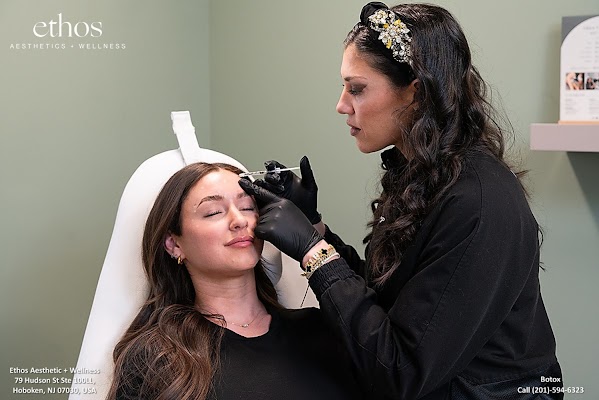
The art of natural forehead treatment
The forehead is where many patients first notice botox effects they do not like. A flat look or a dropped brow usually comes from over treating the central frontalis or ignoring how the brow needs the lateral frontalis to anchor lift. In micro-dosing, I stay high in the forehead, leave the lower third largely untouched unless there are stubborn horizontal lines, and respect hairline position. Women with a naturally arched brow tolerate a little more lateral dosing, while men with a heavy brow need a conservative approach or a higher starting point near the hairline.
For those who want botox for forehead lines but fear the “headband” line that forms when only the top forehead is treated, micro-dosing can blend that transition. A feathered, superficial pattern softens the lower lines without fully turning off muscle fibers that keep the brow up. We also address the glabella. Even minimal glabella dosing, 4 to 10 units, can reduce the downward pull that contributes to brow heaviness and the appearance of a tired forehead.
Crow’s feet and under eye finesse
The outer eye area benefits from a light hand and careful respect for the zygomatic and levator muscles. Overdosing can change the smile or lift the cheek in a way that looks unnatural. With micro-dosing, tiny droplets placed along the radiating lines at the lateral canthus and slightly above can relax the squint just enough to soften feathering. In some patients, I place the most superficial droplets intradermally to target the skin’s crinkling, which can improve how concealer sits under studio lighting or photography flash. It is routine to need less per side than with classic dosing, often 4 to 8 units per side in total.
Frown lines, expression, and when to go standard
The glabella complex is powerful, so micro-dosing alone may not cut it for deep 11s. If you frown when reading, concentrating, or talking on calls, you likely need a core pattern that treats corrugators and procerus with traditional intramuscular placement, 12 to 25 units in total, then a micro feather at the edges to blend. I would rather keep your eyebrows botox near me lifting well than chase every flicker of frown, especially if you present to clients. We can revisit units at the two week review.
Preparation, aftercare, and timelines
Small details make a difference in bruising and comfort. I ask patients to avoid vigorous workouts, saunas, and massage the day of treatment, and to keep their head upright for a few hours after. Do not rub the injected areas that evening. Makeup can go on after an hour if there are no open pinpoints and it is applied gently with clean hands or a fresh sponge.
A simple pre visit checklist helps keep things smooth:
- Skip alcohol, fish oil, and high dose vitamin E for 24 to 48 hours if possible to reduce bruising. Pause aspirin or NSAIDs if your doctor agrees, especially for those prone to bruising. Reschedule if you have an active skin infection, cold sore flare, or are unwell. Arrive with clean skin free of heavy makeup or occlusive skincare. Share upcoming events and travel, so timing and touch ups can be planned.
Expect full results by day 10 to 14. If we planned a conservative start, I schedule a 10 to 14 day review for a possible 2 to 6 unit tweak. These small additions are common with micro-dosing and help build your ideal pattern over time.
Cost, value, and choosing a provider
Botox treatment cost varies widely by region and by the injector’s expertise. Some practices charge per unit, others per area. A micro-dosed upper face typically costs about the same as a standard approach for the same total units, but the visit may take more time. If a clinic quotes a very low botox price per unit, ask about dilution, brand, and who is injecting. Cheaper is not always better when you are buying judgment and fine motor skill.
Look for a botox specialist with a track record in micro-dosing and a portfolio of natural looking botox results. Ask to see examples of light botox for forehead and crow’s feet. A botox certified injector or board certified dermatologist or plastic surgeon will understand both muscle anatomy and the aesthetics of proportion and light. It is perfectly reasonable to book a botox consultation first, review goals, receive a botox treatment cost estimate, and think before committing. If you are searching botox near me online, read patient reviews that mention natural movement and satisfaction with subtlety.
Who is not a good candidate
Patients with very heavy brows, significant eyelid hooding, or deep etched static wrinkles across the forehead may not be ideal for micro-dosing alone. Also, if you need a strong therapeutic effect for medical reasons such as migraine or hyperhidrosis, dosing and pattern will follow different rules. Botox therapy for migraine or botox hyperhidrosis treatment involves higher total units and specific maps, not cosmetic micro-dosing. People seeking a crisp, dramatic change for a big event in two days are also not well suited. The full effect takes up to two weeks, so plan ahead.
Common myths worth clearing up
A frequent worry is that micro-dosing wastes product. It does not. You are still paying for active units, not water. The more dilute solution serves a delivery strategy, allowing tiny droplets to spread where they need to without pooling. Another myth is that micro-dosed botox cannot lift. While it is not the right tool for a bold lift, a modest botox brow lift effect can be achieved by calming the brow depressors and preserving lateral frontalis activity. botox near me Hoboken NJ Finally, some claim micro-dosing tightens the skin. Any perceived skin tightening comes from reduced crinkling and more even light reflection across smoother surface lines. True collagen remodeling requires other treatments.
Practical planning for the year
Most patients repeat botox wrinkle treatment three to four times per year. If you prefer micro-dosing and like a consistently fresh look, plan quarterly visits and budget accordingly. A typical calendar is early spring before outdoor events, midsummer touch up to handle squinting season, early fall for back to work or school photos, and early winter for holidays. Keep notes on your botox effects and what you loved or would tweak. Over the first two to three sessions, the pattern becomes yours and gets easy to reproduce.
Here is a simple way to structure your visit cadence:
- Book the next appointment before you leave if you want seamless results. Plan a 10 to 14 day review spot on the calendar, even if you rarely need a tweak. Avoid scheduling botox cosmetic procedure within two weeks of major photos or travel. Coordinate with any energy based procedures or peels so healing windows do not overlap. Reassess goals twice a year, you may want slightly different dosing with seasons or roles.
The bottom line on micro-dosing for fine lines
Micro-dosing made botox more approachable for people who value expression and natural light on the skin. It is a technique focused on control, not maximum paralysis. When done well, it softens fine lines on the forehead, around the eyes, and in selective cheek or perioral areas without flattening personality. You will still look like you, only less scrunched, less tense, and better under harsh lighting or HD cameras.
If you are considering a first time botox facial procedure or are returning after a too strong experience, talk with a botox doctor or seasoned botox injector about micro-dosing. Bring reference photos of your face animated and at rest, explain what you need your expression to do at work or on stage, and be clear about costs and expectations. Whether you choose micro-dosing alone or in combination with standard patterns, an experienced botox provider can tailor a plan that respects anatomy and aesthetics. That is the essence of good botox aesthetic treatment, results that make your skin look calm and confident without announcing what you had done.